
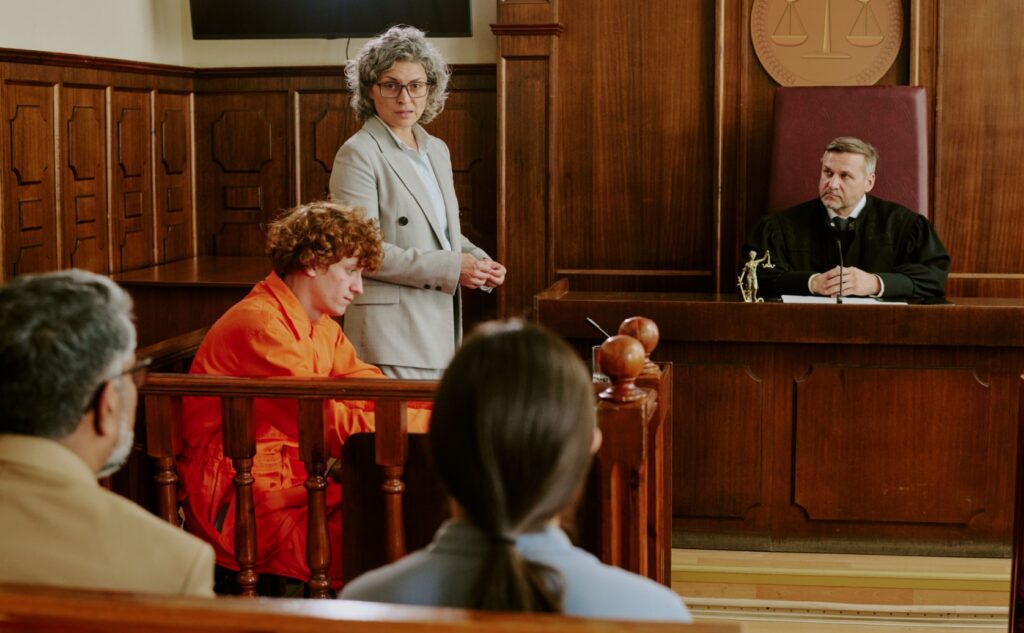
Reasons Why Individuals Are Put on Parole Explained
Parole is a legal process that allows individuals who have been convicted of crimes to serve part of their sentence under supervised release in the community. It is not granted to everyone and comes with strict conditions. Understanding why people are put on parole helps both offenders and the public grasp the goals of rehabilitation, public safety, and efficient use of correctional resources.
What Is Parole?
Parole is the conditional release of a prisoner before completing the full sentence, allowing them to reintegrate into society under supervision. The parole system aims to balance the interests of the offender, the community, and the justice system.
The Legal Basis for Parole in South Africa
Parole in South Africa is governed by the Correctional Services Act 111 of 1998 and related regulations. It gives correctional authorities the power to assess whether an inmate can safely return to society, based on behaviour, rehabilitation progress, and the risk of re-offending.
Factors Influencing Parole Decisions
Several factors are considered when deciding parole eligibility:
- Good Behaviour: Inmates who comply with prison rules and show responsible conduct are more likely to be considered.
- Rehabilitation Efforts: Participation in educational, vocational, or therapeutic programs demonstrates commitment to personal change.
- Time Served: A minimum portion of the sentence usually needs to be served before parole eligibility.
- Public Safety: Authorities assess whether releasing the individual poses a risk to the community.
- Support Systems: Family support, stable housing, and employment opportunities improve parole chances.
The Goals of Parole
Parole serves multiple purposes, including:
- Rehabilitation: Encouraging inmates to reform and become law-abiding citizens.
- Reintegration: Helping offenders transition back into society successfully.
- Reducing Prison Overcrowding: Managing limited correctional resources effectively.
- Protecting Public Safety: Ensuring only those deemed low-risk are released under supervision.
Common Misconceptions About Parole
Despite its benefits, many misconceptions surround parole:
- Some believe parole is a “free pass,†but it comes with strict supervision and conditions.
- Parole does not erase the sentence; violations can result in returning to prison.
- Not all inmates are eligible—each case is carefully assessed.
Frequently Asked Questions About Parole
What is the difference between parole and probation?
Parole is conditional release after serving part of a prison sentence, while probation allows offenders to avoid prison entirely under supervision.
Can anyone apply for parole?
No. Parole eligibility depends on factors such as sentence length, behaviour, rehabilitation progress, and public safety risk.
How is public safety assessed during parole decisions?
Correctional authorities evaluate criminal history, current behaviour, and potential risk to the community.
What happens if someone violates parole conditions?
Violating conditions can result in revocation of parole and immediate return to prison to complete the remaining sentence.
Can parole be denied even if an inmate shows good behaviour?
Yes. Parole can be denied if authorities believe the individual poses a risk to public safety or has not sufficiently demonstrated rehabilitation.
The Importance of Understanding Parole
Parole is a critical component of the justice system that promotes rehabilitation, public safety, and efficient resource management. For inmates and families navigating parole decisions, legal guidance is essential to ensure the process is fair and lawful.
Get Expert Legal Support from Otrebski Attorneys
If you or a loved one is facing parole proceedings, Otrebski Attorneys provides expert guidance to help you understand your rights and navigate the process successfully. Our team ensures that every case receives careful assessment and professional representation.