
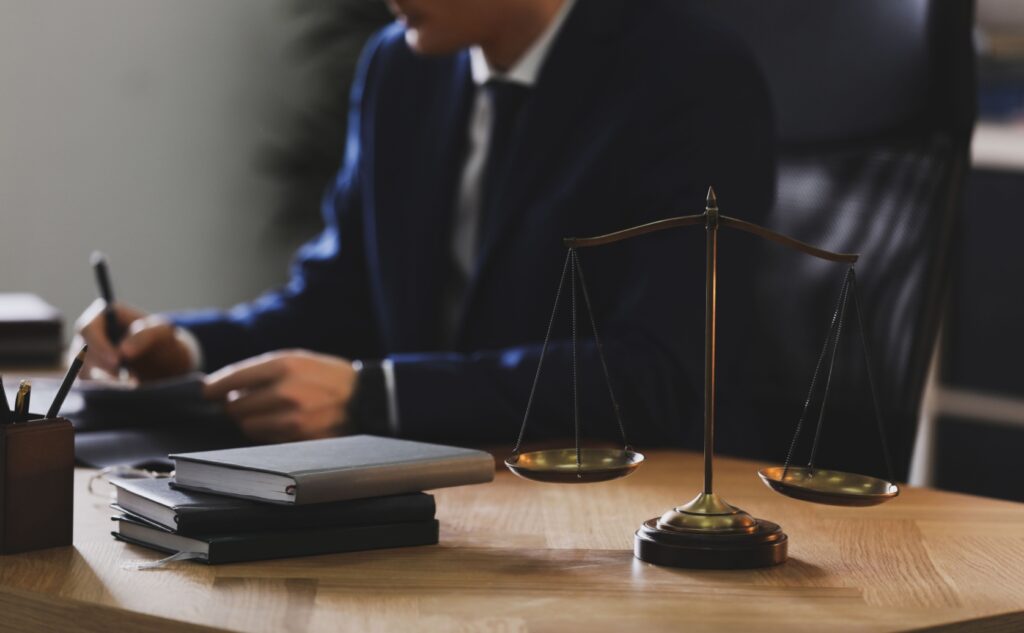
Everything You Need to Know About Prosecuting Attorneys
A prosecuting attorney plays a vital role in the legal system, representing the state or government in criminal cases. They are responsible for presenting evidence, pursuing justice, and ensuring that the law is upheld. At Otrebski Attorneys, understanding the function and responsibilities of a prosecuting attorney can help clients navigate criminal proceedings more effectively.
Understanding the Role of a Prosecuting Attorney
Who Is a Prosecuting Attorney?
A prosecuting attorney, often called a public prosecutor, is a legal professional tasked with initiating and conducting criminal prosecutions. They represent the government or public interest and work to ensure that individuals who break the law are held accountable.
Key Duties and Responsibilities
The primary duties of a prosecuting attorney include:
- Case Evaluation: Reviewing evidence provided by law enforcement to determine whether charges should be filed.
- Filing Charges: Formally bringing criminal charges against suspects when sufficient evidence exists.
- Court Representation: Presenting the case in court, including examining witnesses, submitting evidence, and arguing legal points.
- Legal Research: Ensuring that all actions comply with current laws and precedents.
- Negotiating Plea Deals: In some cases, working with defence attorneys to reach fair resolutions without a trial.
- Protecting Public Interest: Advocating for justice while upholding ethical and legal standards.
The Importance of a Prosecuting Attorney in Criminal Cases
Ensuring Fair Trials
Prosecuting attorneys help maintain balance in the justice system by ensuring that criminal proceedings are conducted legally and fairly. Their role ensures that accused individuals receive a fair trial while victims’ rights are protected.
Working with Law Enforcement
Prosecutors collaborate with police and investigative agencies to gather evidence, review case files, and prepare legal strategies for trial. This collaboration strengthens the case and ensures that the legal process follows proper procedures.
Upholding Justice and Accountability
By pursuing criminal charges responsibly, prosecuting attorneys ensure that individuals who violate laws are held accountable, which helps protect society and deter future crimes.
Frequently Asked Questions (FAQs)
Q: How is a prosecuting attorney different from a defence attorney?
A prosecuting attorney represents the state or government, while a defence attorney represents the accused. The prosecutor’s role is to prove the charges, whereas the defence attorney works to protect the rights of the defendant.
Q: Can a prosecuting attorney drop charges?
Yes. If the evidence is insufficient or does not support prosecution, a prosecuting attorney can choose to dismiss or withdraw charges.
Q: Do prosecuting attorneys handle civil cases?
No. They are focused exclusively on criminal cases representing public interest. Civil disputes are handled by other types of lawyers.
Q: How are prosecuting attorneys appointed?
Prosecutors may be appointed by the government or elected, depending on jurisdiction and legal system.
Q: What qualifications are required to become a prosecuting attorney?
A law degree and admission to the bar are required. Additional training and experience in criminal law are often necessary.
Get Expert Legal Assistance with Otrebski Attorneys
Understanding the role and responsibilities of a prosecuting attorney is crucial if you are involved in a criminal matter. Otrebski Attorneys provides expert legal guidance, whether you need defence representation, advice on criminal procedures, or insight into prosecutorial actions.
Contact Otrebski Attorneys today to speak with a skilled attorney and ensure your legal rights are fully protected.