
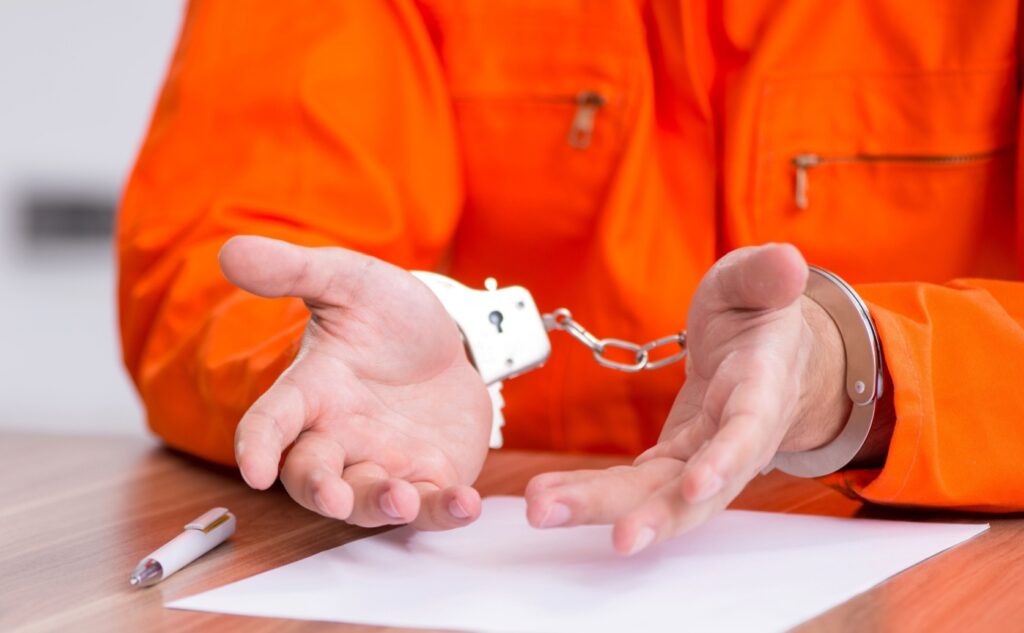
How Parole Works in South Africa | Conditions and Rules Explained
Parole is a legal mechanism that allows a prisoner to be released before the completion of their sentence under specific conditions. It is an important part of South Africa’s correctional system, balancing rehabilitation with public safety. Otrebski Attorneys provides expert guidance to ensure prisoners and their families understand the parole process and meet all legal requirements.
How Parole Works
Parole in South Africa is granted by the Department of Correctional Services (DCS). It is not automatic; prisoners must meet legal criteria and demonstrate rehabilitation, good behavior, and a readiness to reintegrate into society. Otrebski Attorneys can assist with preparing applications and ensuring all necessary documentation and evidence are presented effectively.
Key Legal Conditions for Parole
Eligibility for Parole
Before applying for parole, prisoners must satisfy specific eligibility criteria, including:
- Completion of a minimum portion of the sentence.
- No pending disciplinary actions or serious infractions in prison.
- Demonstrated rehabilitation through participation in correctional programs.
Assessment of Risk
The DCS evaluates the risk a prisoner may pose to society if released. This includes:
- Nature of the original offense.
- Past criminal record.
- Behavior while incarcerated.
Otrebski Attorneys can provide legal advice on mitigating factors and supporting evidence to strengthen a parole application.
Compliance with Conditions
Once granted, parole comes with strict conditions such as:
- Reporting to a parole officer regularly.
- Maintaining employment or education if applicable.
- Abstaining from criminal activity and substance abuse.
Failure to comply may result in parole revocation. Legal counsel from Otrebski Attorneys can help navigate challenges if issues arise during parole.
Steps to Apply for Parole
- Submit a written application to the DCS.
- Provide supporting documents and evidence of rehabilitation.
- Attend parole hearings if required.
- Follow up with parole officers after approval.
Otrebski Attorneys guide clients through each step, ensuring applications are thorough and legally compliant.
Frequently Asked Questions
What is the minimum sentence portion required for parole eligibility?
The required portion varies depending on the type of offense and sentence length. Legal advice from Otrebski Attorneys ensures accurate calculation and compliance.
Can a parole application be rejected?
Yes, parole can be denied based on risk assessment, behavior, or insufficient rehabilitation evidence. Otrebski Attorneys can advise on appealing or reapplying.
How long does the parole process take?
Processing times differ by case and prison facility. Legal assistance can help expedite preparation and follow-up.
What happens if a parole condition is breached?
Breaching parole can result in revocation and return to prison. Legal support is crucial to protect rights and explore remedies.
Can family members assist in a parole application?
Yes, family support can strengthen an application. Otrebski Attorneys can guide families on what information and documentation are most impactful.
Take Action: Secure Expert Parole Guidance
Understanding and navigating parole laws in South Africa is complex. Otrebski Attorneys provide expert legal support to maximize your chance of a successful application. Contact us today to schedule a consultation and ensure your rights are protected throughout the parole process.