
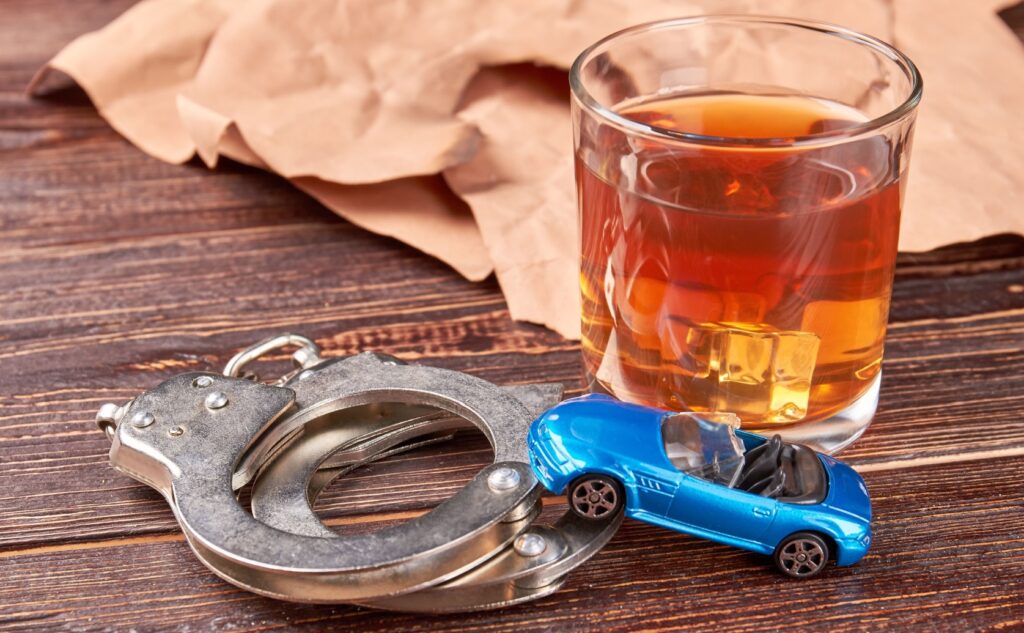
Drunken Driving Case Defence in South Africa
Drunken driving, known legally as driving under the influence (DUI), is a serious offence in South Africa. Facing such charges can be overwhelming, but understanding the process from arrest to court can help protect your rights. Otrebski Attorneys offers expert guidance through every step of a drunken driving case.
What Constitutes Drunken Driving in South Africa
Drunken driving occurs when a driver operates a vehicle with a blood alcohol concentration (BAC) above the legal limit. In South Africa, this limit is 0.05g per 100ml of blood for regular drivers and 0.02g per 100ml for professional or novice drivers.
Consequences of a conviction can include fines, imprisonment, and a suspension of your driver’s license. Early legal intervention is crucial to manage these risks effectively.
The Arrest Process for Drunken Driving
Police may stop a vehicle if they suspect the driver is under the influence. Arrest usually follows if:
- A breathalyser test shows alcohol levels above the legal limit.
- Impairment is evident through erratic driving or physical signs.
Upon arrest, officers will take you to the nearest police station for further testing and processing. Understanding your rights during this stage can prevent self-incrimination and ensure fair treatment.
Legal Rights After a Drunken Driving Arrest
After being arrested, it is essential to remember:
- You have the right to remain silent.
- You can request to consult a lawyer before answering questions.
- You have the right to refuse certain tests, though this may have legal consequences.
Otrebski Attorneys ensures your rights are fully protected and helps you navigate the police procedures.
The Court Process for Drunken Driving Cases
Once arrested, the case is referred to the magistrate’s court. The court process typically involves:
- Initial Appearance: Your case is formally presented, and bail may be considered.
- Plea Entry: You enter a plea of guilty or not guilty.
- Trial: Evidence is presented, including breathalyser results, witness statements, and officer testimonies.
- Judgment and Sentencing: The court issues a verdict and applies penalties if convicted.
Expert legal representation by Otrebski Attorneys can make a significant difference in case outcomes, from negotiating reduced penalties to mounting a strong defence.
Possible Defences in a Drunken Driving Case
Several defences may apply depending on circumstances:
- Challenging the accuracy of the breathalyser test.
- Questioning the legality of the arrest or testing procedure.
- Proving the impairment was not due to alcohol.
Each case is unique, and professional guidance from Otrebski Attorneys ensures the most suitable strategy is adopted.
FAQs About Drunken Driving Cases
Q: What is the legal alcohol limit for drivers in South Africa?
A: 0.05g per 100ml for regular drivers, 0.02g per 100ml for professional or novice drivers.
Q: Can I refuse a breathalyser test?
A: Yes, but refusal can lead to legal consequences, including fines or license suspension.
Q: What penalties can I face if convicted?
A: Penalties range from fines and license suspension to imprisonment, depending on the severity of the offence.
Q: How can a lawyer help me in a drunken driving case?
A: Lawyers protect your rights, challenge evidence, negotiate reduced penalties, and guide you through court procedures.
Take Control of Your Case Today
Facing a drunken driving charge can be intimidating, but professional support makes all the difference. Otrebski Attorneys offers expert legal representation to protect your rights, defend your case, and strive for the best possible outcome.
Contact Otrebski Attorneys now to secure your defence and navigate your case with confidence.