
The Complete Guide to Parole in South Africa | Process and Requirements
What Is Parole in South Africa?
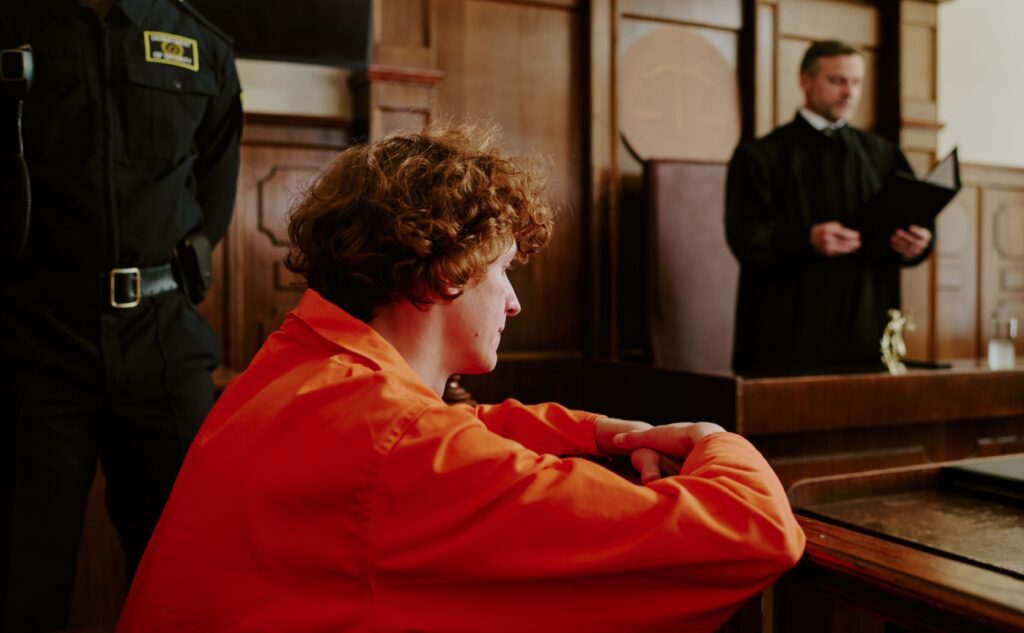
Parole is a legal mechanism that allows a prisoner to serve the remainder of their sentence outside of prison under specific conditions. It is designed to facilitate rehabilitation and reintegration into society while ensuring public safety. Parole is not a right, but a privilege granted under strict legal criteria.
Who Qualifies for Parole?
Eligibility for parole in South Africa depends on several factors:
- The nature of the offence committed
- The length of time already served
- Good conduct and participation in rehabilitation programs
- Assessment of the risk the offender poses to society
Otrebski Attorneys can assist in evaluating your eligibility and preparing a strong case for parole consideration.
How Is Parole Granted?
The South African Department of Correctional Services (DCS) considers several aspects when granting parole:
- Correctional Supervision Reports: Detailing behaviour and rehabilitation progress
- Risk Assessments: Evaluating the likelihood of reoffending
- Victim Input: Allowing victims to make submissions before a decision
- Parole Board Decisions: Independent boards review all reports and make final decisions
Otrebski Attorneys provides expert guidance in presenting evidence and submissions to increase the chance of parole approval.
Conditions of Parole
Parole comes with strict conditions, which may include:
- Regular reporting to a parole officer
- Employment or education requirements
- Restrictions on movement or contact with certain individuals
- Compliance with community service or counselling programs
Failure to comply with these conditions can result in the parole being revoked and a return to custody.
The Role of Legal Representation
Navigating the parole process can be complex. Legal representation is critical to:
- Ensure all documentation is properly submitted
- Address any disputes or objections
- Advocate for early release based on rehabilitation and good conduct
Otrebski Attorneys specializes in parole applications and appeals, providing personalized legal support for each client.
FAQs About Parole in South Africa
What is the difference between parole and early release?
Parole involves supervised release under strict conditions, whereas early release may occur due to remission or sentence reduction without supervision.
Can a parole decision be appealed?
Yes. A parole decision can be challenged through legal processes, and Otrebski Attorneys can assist with appeals and representation.
How long does the parole process take?
Processing time varies depending on the complexity of the case, prison reports, and Parole Board schedules. Legal assistance can help streamline the process.
Can parole be revoked after it is granted?
Yes. Non-compliance with parole conditions or involvement in criminal activity can lead to revocation.
Do I need a lawyer for a parole application?
While not mandatory, legal representation significantly improves the chances of approval, especially in complex or contested cases.
Take Action Today: Secure Expert Parole Assistance
Navigating the parole system in South Africa requires precision and expertise. Otrebski Attorneys offers comprehensive legal support, from initial assessment to representation before the Parole Board. Protect your rights and improve your chances of parole approval with professional guidance. Contact Otrebski Attorneys now to schedule a consultation.