
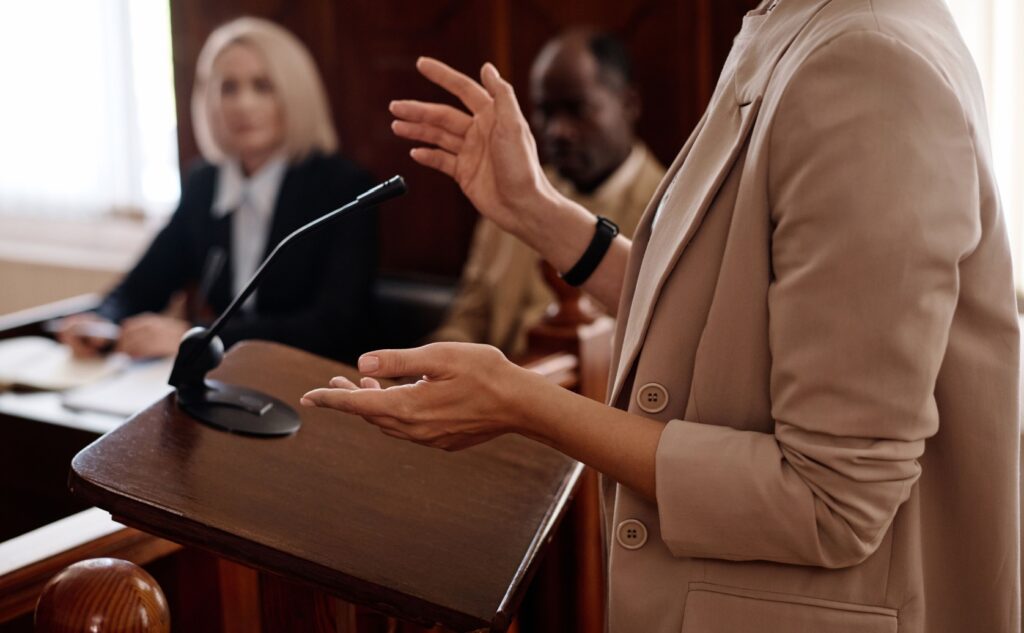
What Happens During a Parole Hearing in South Africa?
Parole hearings are a critical step in the criminal justice system, offering eligible offenders the opportunity for early release under specific conditions. Navigating this process requires a thorough understanding of legal procedures, documentation, and rights. Otrebski Attorneys provides expert guidance to ensure clients are fully prepared and represented during parole proceedings.
What Is a Parole Hearing?
A parole hearing is a formal review conducted by the parole board to determine whether an incarcerated person can safely re-enter society before completing their full sentence. The board evaluates factors such as:
- Behavior while incarcerated
- Participation in rehabilitation programs
- Risk of reoffending
- Victim impact statements
Who Can Apply for Parole?
Eligibility for parole typically depends on the type of sentence and the time already served. Otrebski Attorneys helps clients understand:
- Minimum time requirements before eligibility
- Special conditions for life sentences
- Requirements for first-time and repeat offenders
How to Prepare for a Parole Hearing
Preparation is crucial for a successful outcome. Legal experts at Otrebski Attorneys assist with:
- Compiling personal and institutional records
- Writing impactful submissions
- Advising on demeanor and communication during the hearing
What Happens During the Hearing?
The parole board conducts a structured review that includes:
- Presentation of the offender’s rehabilitation efforts
- Assessment of risk to public safety
- Consideration of statements from victims, families, and legal representatives
- Decision announcement, which may include conditions for release
Common Questions About Parole Hearings
How long does a parole hearing take?
The duration varies but typically ranges from 30 minutes to a few hours, depending on the complexity of the case and the number of witnesses involved.
Can I attend my parole hearing in person?
Yes. Offenders may attend in person, and legal representation is highly recommended to present the strongest case.
What factors influence the parole board’s decision?
Key factors include the offender’s criminal history, rehabilitation progress, behavior in prison, and risk assessments for reoffending.
What happens if parole is denied?
If denied, the offender usually must wait for a specified period before reapplying. Otrebski Attorneys can advise on the appeal process and strategies for future applications.
Are victims’ statements considered?
Absolutely. Victim impact statements play an important role in the board’s decision-making, and legal counsel can help prepare appropriate responses.
Legal Support From Otrebski Attorneys
Navigating parole hearings without legal guidance can be challenging. Otrebski Attorneys offers comprehensive support, including:
- Detailed case evaluation
- Preparation of submissions and evidence
- Representation during hearings
- Appeals advice if parole is denied
With experienced legal counsel, clients are better positioned to present their case clearly and confidently, increasing the likelihood of a favorable outcome.
Take the Next Step With Expert Legal Assistance
If you or a loved one is preparing for a parole hearing, professional guidance is essential. Otrebski Attorneys ensures that every client receives personalized legal support to navigate this complex process effectively. Contact Otrebski Attorneys today to secure expert representation and guidance for your parole hearing.