
Understanding Drunk Driving Blood Tests in South Africa
South African law takes drunk driving seriously, and one of the strongest pieces of evidence the State relies on is a blood alcohol test. When a driver is arrested for suspected drunk driving, the police must follow strict legal procedures to ensure the blood test results are valid and admissible in court.
Otrebski Attorneys assists clients by examining every stage of the arrest and testing process, ensuring that rights are protected and that the State’s case meets the required legal standard.
What Happens Immediately After a DUI Arrest?
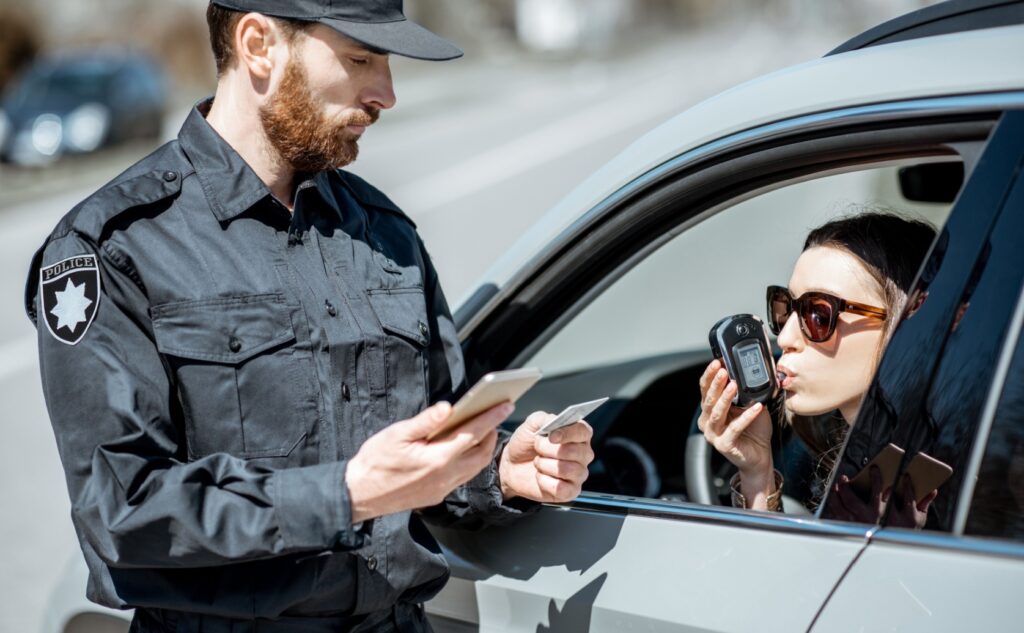
Once pulled over, an officer may request a breathalyser test. If it indicates that the alcohol level is above the legal limit, the driver is taken into custody for further testing.
Key Steps Following the Arrest
1. Transportation to a Medical Facility
Police must take the arrested person to an authorised medical professional within two hours of the alleged offence. This ensures that the blood sample reflects an accurate alcohol concentration.
2. Collection of the Blood Sample
A registered nurse or medical doctor collects the sample. The blood is sealed in a forensic evidence kit to prevent tampering or contamination.
3. Chain of Custody and Laboratory Testing
The sealed kit is transported to an accredited forensic laboratory. Every handover must be documented. Any break in the chain of custody can render the results invalid.
4. Laboratory Analysis
The alcohol concentration is measured to determine whether it exceeds the legal limit of:
- 0.05g per 100ml (general drivers)
- 0.02g per 100ml (professional drivers)
Otrebski Attorneys reviews toxicology reports, chain-of-custody documents, and lab processes to identify errors or procedural violations that may strengthen the defence.
Common Issues That Affect Blood Test Validity
Incorrect Sample Handling
If officers fail to seal or store the sample correctly, the results may be challenged.
Delays in Testing
Backlogs at forensic labs often lead to delayed results. Excessive delays can harm the accuracy and reliability of the evidence.
Improper Arrest Procedure
If the arresting officer did not follow legal procedures, the entire case may be compromised.
Lack of Chain-of-Custody Documentation
Any undocumented handover of the blood sample can be grounds for exclusion of evidence.
Otrebski Attorneys investigates each step to ensure all legal requirements were complied with.
Possible Outcomes After Blood Test Results Return
1. Charges Proceed
If results show an alcohol level above the legal limit, the prosecutor may proceed with the DUI charge.
2. Withdrawal of Charges
If there are errors in procedure or insufficient evidence, charges may be withdrawn.
3. Plea Negotiation
Otrebski Attorneys may negotiate for reduced charges, fines, or alternative sentencing depending on the circumstances.
4. Trial Preparation
If the matter proceeds to trial, the legal team challenges the admissibility of the blood results and other evidence.
FAQs
How long do blood test results take in South Africa?
Results may take several months due to forensic laboratory backlogs, but the exact timeline varies.
Can a blood test be wrong?
Yes. Errors in handling, storage, documentation, or testing can compromise accuracy.
Do I have to agree to a blood test after arrest?
Refusal can lead to additional charges and may be used against the driver in court.
Can Otrebski Attorneys get DUI charges dropped?
Charges may be withdrawn or reduced if procedural failures, rights violations, or unreliable evidence are identified.
What is the legal alcohol limit in South Africa?
0.05g per 100ml for regular drivers and 0.02g per 100ml for professional drivers.
Facing a DUI Charge? Otrebski Attorneys Provides Strategic Legal Defence
A DUI arrest can affect your licence, livelihood, and future. Otrebski Attorneys offers immediate legal support, detailed case analysis, and robust defence strategies tailored to each client’s situation.
Contact Otrebski Attorneys today for professional legal assistance and fast action.