
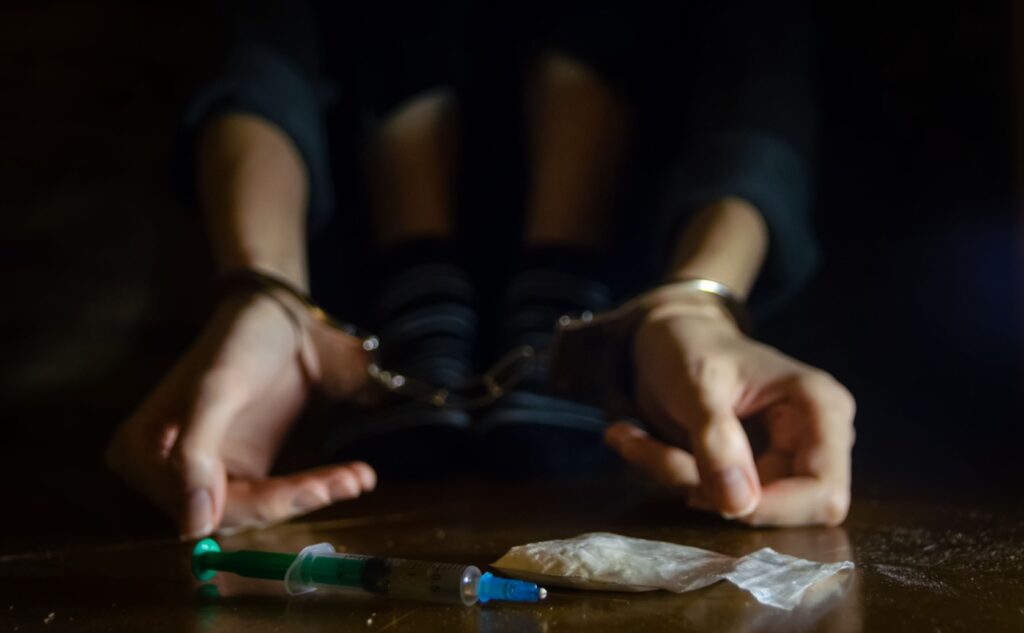
Facing Drug Possession Charges in South Africa? Know Your Rights
Navigating drug possession charges in South Africa can be a daunting experience. It’s crucial to understand your rights, responsibilities, and the potential legal consequences of being found with controlled substances. Even small amounts of illegal drugs can lead to serious criminal charges, making legal awareness and representation essential.
What is Considered Drug Possession?
Under South African law, a person is deemed to be in possession of drugs if the substance is found on their person, in their vehicle, or on property they control, such as a home or workplace.
Possession laws apply even if the drugs are not for your personal use. Simply having them in your control may result in criminal charges. The severity of punishment depends on the type of drug, the amount found, and whether there is evidence of intent to distribute.
While small quantities of cannabis (dagga) for private use have been partially decriminalised, possession of larger amounts or other substances remains a criminal offense and can lead to imprisonment.
Drugs Prohibited in South Africa
The Drugs and Drug Trafficking Act 140 of 1992 outlines all banned substances. These include:
- Cannabis (beyond private possession limits)
- Heroin
- Cocaine
- LSD and other hallucinogens
- Methamphetamines
- Opium and its derivatives
- Stimulants and depressants
Being caught with any of these substances—whether for personal use, sale, or distribution—can lead to prosecution. Penalties can range from fines and rehabilitation programs to imprisonment of up to 15 years for trafficking offenses.
Police may also conduct searches without a warrant if there’s reasonable suspicion of drug possession.
Penalties for Drug Possession in South Africa
If found guilty of drug possession, you may face a variety of penalties depending on:
- Type of drug: Harder drugs (e.g., heroin, cocaine) attract harsher penalties.
- Quantity: Larger quantities may imply intent to deal.
- Criminal record: Repeat offenders often face stricter sentences.
Penalties may include:
- Fines
- Probation
- Community service
- Imprisonment
- Suspension of your driver’s licence
A conviction can also remain on your criminal record, affecting employment opportunities, travel visas, and future prospects.
Proving Drug Possession
Prosecutors can establish drug possession through:
- Direct evidence, such as drugs found on your person or property
- Circumstantial evidence, linking you to the drugs
- Testimony and prior convictions, which can increase sentencing severity
Because the law is complex, having an experienced criminal defense attorney is essential to ensure your rights are protected and to explore all possible legal defenses.
Defenses Against Drug Possession Charges
If you are facing charges, your lawyer may consider several defenses, including:
1. Unlawful Search and Seizure
If police searched you or your property without a warrant or valid reason, any evidence obtained may be inadmissible in court.
2. Lack of Intent
If you were unaware of the presence of drugs or had no intent to possess them, this could serve as a strong defense.
3. Possession by Another Person
You may argue that the drugs did not belong to you or were under someone else’s control at the time.
Recent Changes to South African Drug Laws
Recent reforms to drug possession laws in South Africa reflect a shift toward rehabilitation rather than punishment. Courts now have more discretion, especially for first-time offenders or cases involving addiction.
In many instances, offenders may receive suspended sentences, rehabilitation orders, or community service instead of prison time.
Threshold quantities have also been introduced to differentiate between personal use and intent to distribute, with lighter penalties for simple possession.
Need Legal Help with a Drug Possession Charge? Contact Otrebski Attorneys Today
Understanding drug possession charges in South Africa is vital for protecting your rights and future. The consequences can be severe, but the right legal representation can make a significant difference. If you’re facing charges, don’t navigate the legal system alone—get professional help immediately.
Frequently Asked Questions
1. Is cannabis legal in South Africa?
Private possession and use of small quantities of cannabis by adults are decriminalised. However, public use and dealing remain illegal.
2. Can police search me without a warrant?
Yes, if they have reasonable suspicion that you possess illegal substances, they may conduct a search without a warrant.
3. Will a drug possession conviction affect my record?
Yes. A conviction becomes part of your permanent criminal record and can affect employment and international travel.
4. What should I do if I am arrested for drug possession?
Stay calm, exercise your right to remain silent, and contact an attorney immediately before making any statements.
5. Can a lawyer get drug possession charges dropped?
In some cases, yes. A skilled lawyer can challenge the legality of the search, question the evidence, or negotiate for reduced charges or diversion programs.
Need Legal Help? Contact Otrebski Attorneys Today
Facing drug possession charges can be overwhelming and life-changing. At Otrebski Attorneys, we provide expert legal defense tailored to your situation. Our team is dedicated to protecting your rights, guiding you through every step of the legal process, and helping you achieve the best possible outcome.
Contact us today for confidential legal assistance and professional representation.