
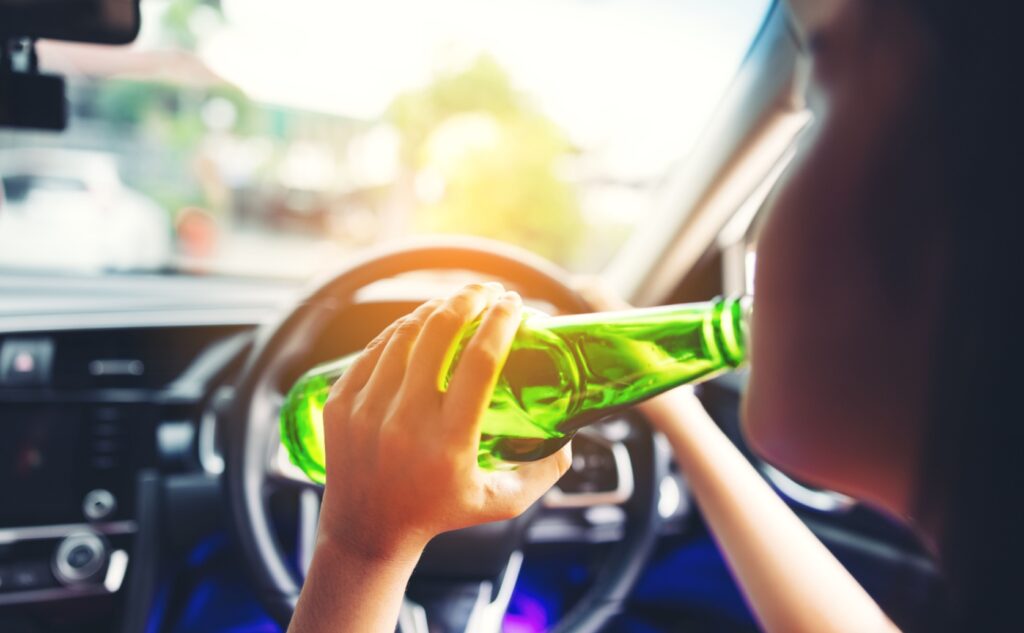
The Difference Between Drink Driving and Drunk Driving in South Africa
Understanding the legal distinctions between drink driving and drunk driving is crucial for anyone facing a potential DUI charge in South Africa. Otrebski Attorneys provide expert legal guidance to navigate these complex matters and protect your rights.
What is Drink Driving in South Africa?
Drink driving, under South African law, refers to operating a vehicle with a blood alcohol concentration (BAC) that exceeds the legal limit. The law recognizes different BAC thresholds for various drivers:
- Professional drivers: 0.02 g/100ml
- Learner or novice drivers: 0.05 g/100ml
- Regular drivers: 0.05 g/100ml
Even if you feel capable of driving, exceeding these limits can result in serious penalties, including fines, license suspension, or even imprisonment.
What is Drunk Driving in South Africa?
Drunk driving is a more severe offense. It occurs when a driver is so intoxicated that their ability to operate a vehicle safely is impaired, regardless of the precise BAC level. This form of driving often involves:
- Loss of coordination
- Slurred speech
- Poor judgment and delayed reactions
Drunk driving cases typically carry harsher penalties than drink driving, reflecting the higher risk posed to public safety.
Key Differences Between Drink Driving and Drunk Driving
While both offenses involve alcohol consumption, the distinctions are important for legal outcomes:
- Legal Definition: Drink driving is defined strictly by BAC, while drunk driving considers impairment level.
- Penalties: Drunk driving often results in stricter fines, longer license suspensions, or custodial sentences.
- Proof Requirements: Drink driving can be proven with a breathalyzer or blood test, whereas drunk driving may rely on police observations and witness statements.
Common Misconceptions About DUI in South Africa
Many drivers assume that “just a little drink†is harmless or that BAC limits alone determine guilt. In reality, Otrebski Attorneys emphasize:
- Even small amounts of alcohol can result in charges if driving ability is compromised.
- Refusing a breathalyzer test can lead to automatic penalties under South African DUI laws.
- Prior convictions can escalate consequences significantly.
How Otrebski Attorneys Can Help
Facing a DUI charge can be stressful, but experienced legal representation makes a significant difference. Otrebski Attorneys assist with:
- Evaluating evidence, including BAC results and police reports
- Developing a strong defence strategy tailored to your case
- Representing clients in court to mitigate fines, penalties, or criminal records
FAQs
Q: Can I be charged with drunk driving if my BAC is below 0.05?
A: Yes. Impairment matters more than BAC for drunk driving. Even a lower BAC can lead to a charge if your driving ability is compromised.
Q: What penalties apply for a first-time drunk driving offense?
A: Penalties may include fines, license suspension, and, in severe cases, imprisonment. Otrebski Attorneys provide guidance to reduce the impact of these penalties.
Q: Is refusing a breathalyzer test a crime?
A: Yes. Refusal can lead to immediate legal consequences, including fines or license suspension.
Q: How long does a DUI case take to resolve in South Africa?
A: Case length varies depending on the complexity and evidence, but expert legal support can streamline proceedings and improve outcomes.
Protect Your Rights Today
If you face a drink driving or drunk driving charge, securing expert legal representation is essential. Otrebski Attorneys are committed to defending your rights and providing personalised solutions tailored to your circumstances.
Contact Otrebski Attorneys now to schedule a consultation and safeguard your future.