
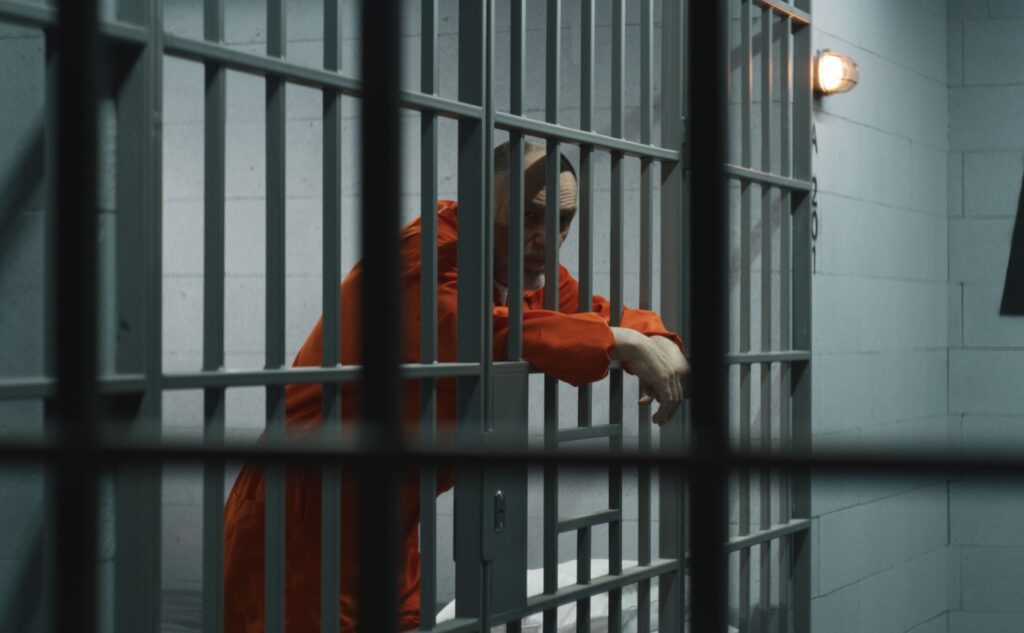
Exploring Privacy Rights for Prisoners in South Africa
Prisoners in South Africa are often subjected to strict regulations and surveillance, raising questions about their right to privacy. While incarceration naturally limits personal freedoms, the South African Constitution ensures that prisoners retain certain rights, including aspects of privacy. Understanding these rights is crucial for both prisoners and their families, and Otrebski Attorneys is dedicated to providing expert legal guidance in this area.
The Legal Foundation of Prisoners’ Privacy Rights
Prisoners’ rights in South Africa are grounded in the Constitution, particularly Section 14, which guarantees the right to privacy. However, this right is not absolute; it is balanced against the need for security and order within correctional facilities. Legal frameworks and regulations ensure that any interference with privacy must be reasonable and justifiable.
Privacy Limitations in Correctional Facilities
Prison authorities have the responsibility to maintain security, which can justify certain intrusions into a prisoner’s privacy. Examples include:
- Cell searches: Routine inspections to prevent contraband or illegal activities.
- Monitoring of communications: Letters, phone calls, and electronic messages may be screened for security purposes.
- Surveillance cameras: Used in communal areas to ensure safety and prevent violence.
While these measures limit privacy, they must comply with legal standards to avoid abuse and ensure prisoners are treated fairly.
Balancing Privacy with Security
The courts in South Africa have acknowledged that while prisoners do not forfeit all rights, the state has a legitimate interest in maintaining safety and security. Any infringement of privacy should be proportional, and unjustified violations can be challenged with the help of legal experts like Otrebski Attorneys.
The Role of Legal Representation
Prisoners or their families may seek legal assistance when privacy rights are violated. Lawyers from Otrebski Attorneys can:
- Advise on constitutional protections and limitations
- Challenge unlawful searches or surveillance
- Represent prisoners in complaints or legal proceedings
Effective legal support ensures that prisoners’ rights are respected while maintaining institutional security.
FAQs About Prisoners’ Privacy Rights
What rights to privacy do prisoners have in South Africa?
Prisoners retain limited privacy rights under Section 14 of the Constitution, but these rights may be curtailed for security and order within the facility.
Can prison authorities monitor my letters and calls?
Yes, monitoring is permitted for security reasons. However, it must be reasonable, and unnecessary breaches can be legally contested.
Are cell searches legal?
Yes, they are legal if conducted according to prescribed regulations. Arbitrary or abusive searches may be challenged with legal help.
Who can help if a prisoner’s privacy is violated?
Otrebski Attorneys provides legal assistance to protect prisoners’ rights and ensure any violations are addressed appropriately.
Can prisoners challenge privacy violations in court?
Yes, prisoners can challenge unlawful intrusions through the courts with professional legal representation.
Protect Your Rights with Otrebski Attorneys
Prisoners in South Africa have rights, including limited privacy, that deserve protection. If you or a loved one faces privacy infringements in a correctional facility, Otrebski Attorneys offers experienced legal support to safeguard these rights. Contact us today to ensure that your constitutional protections are upheld.