
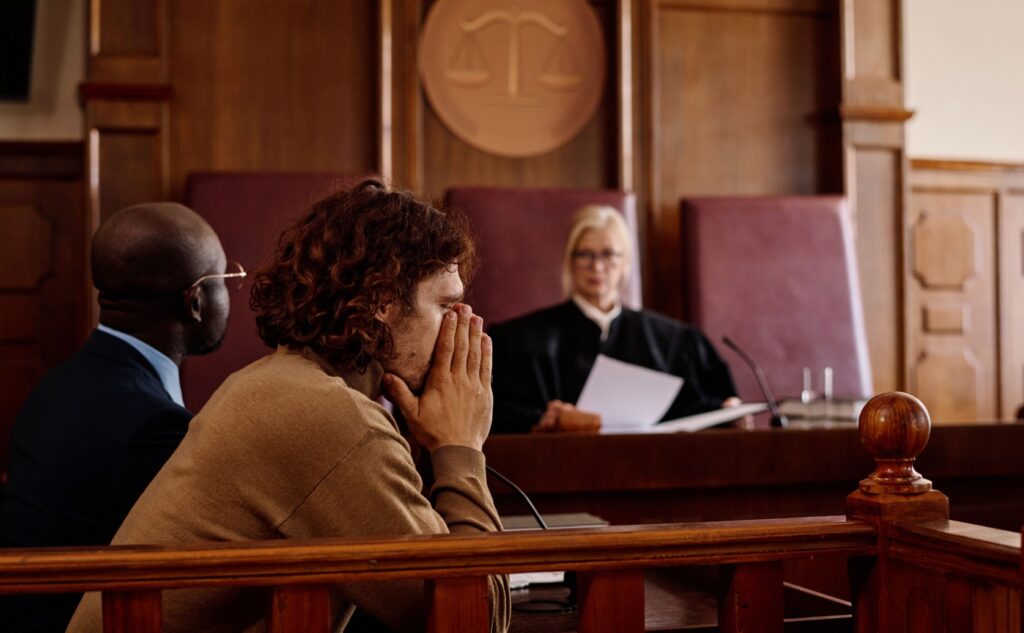
Parole Sentence Eligibility and Legal Requirements
Parole in South Africa is a legal mechanism that allows a prisoner to serve the remainder of their sentence outside of prison under supervision. It is not a pardon or early release without conditions, but rather a structured way to reintegrate offenders into society while maintaining oversight.
Who Qualifies for Parole?
Eligibility for parole depends on several factors, including the nature of the crime, the length of the sentence served, behavior while in prison, and risk assessment. Generally, prisoners must have served a minimum portion of their sentence and demonstrate rehabilitation potential.
How Is a Parole Decision Made?
The parole process is governed by the Correctional Services Act. A parole board reviews each case individually, considering:
- Conduct and behavior of the inmate
- Risk of reoffending
- Rehabilitation progress, such as participation in educational or vocational programs
- Victim impact statements, if applicable
Conditions Attached to Parole
Parole is conditional and comes with strict requirements, which may include:
- Regular reporting to a parole officer
- Restrictions on travel or association
- Attendance at rehabilitation or counseling programs
- Immediate return to prison if conditions are violated
Benefits of Parole
Parole benefits both the prisoner and society by:
- Encouraging rehabilitation and responsible behavior
- Reducing prison overcrowding
- Allowing gradual reintegration into society
Risks and Responsibilities
While parole offers freedom, it carries responsibilities. Violating parole conditions can lead to re-incarceration. Compliance and active engagement with parole officers are crucial.
Frequently Asked Questions
What is the difference between parole and probation?
Parole occurs after a prisoner has served part of their sentence, whereas probation is an alternative to imprisonment granted before or instead of incarceration.
Can parole be denied even if the prisoner meets all criteria?
Yes. The parole board may deny parole based on safety concerns, the severity of the offense, or potential risk to society.
How long does a parole period last?
The length of parole depends on the remainder of the original sentence and the specific conditions set by the parole board.
What happens if a parolee violates conditions?
Violation of parole conditions can result in the immediate revocation of parole, and the individual may be sent back to prison to serve the remaining sentence.
Can victims influence parole decisions?
Yes. Victims or their representatives can submit statements to the parole board, which are considered when determining parole eligibility.
Take Action for Legal Guidance
Understanding parole laws can be complex. Otrebski Attorneys provides expert guidance on parole eligibility, applications, and compliance. Protect your rights and ensure a smooth parole process with experienced legal support.