
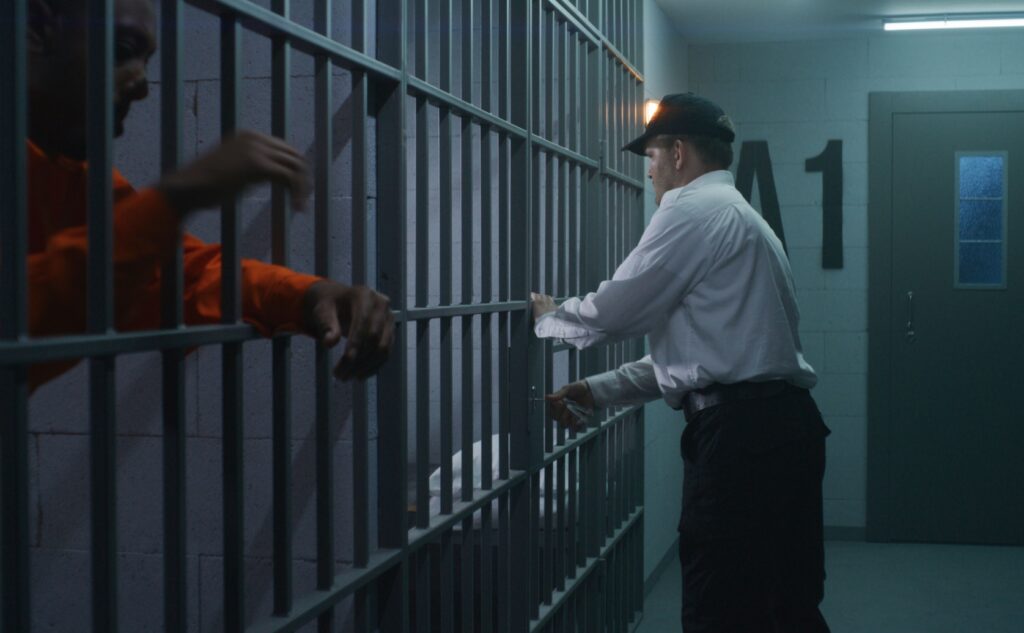
What Constitutional Rights Do Prisoners Have?
South Africa’s Constitution ensures that every individual, including prisoners, retains certain fundamental rights. While incarceration limits freedom of movement, it does not strip prisoners of basic human dignity, access to healthcare, or protection from cruel and degrading treatment. The Correctional Services Act and relevant case law further reinforce these rights.
Key Rights of Prisoners
Prisoners have the right to:
- Human dignity: Treatment must respect the inherent worth of each person.
- Healthcare: Access to medical treatment, including mental health services.
- Fair treatment: Protection against torture, abuse, or discrimination.
- Legal representation: Access to legal counsel and the courts.
- Education and rehabilitation: Opportunities for skill-building and personal development.
Limitations on Prisoners’ Rights
While prisoners retain constitutional protections, certain rights are restricted due to the nature of incarceration. For instance, freedom of movement is limited, and privacy is reduced. However, any restrictions must be reasonable, justifiable, and proportionate to maintaining security and order within correctional facilities.
Role of Courts in Upholding Rights
South African courts have consistently reinforced that prisoners do not lose all constitutional protections. Landmark cases emphasize that correctional authorities must balance security concerns with the fundamental rights of inmates. Courts intervene when violations occur, ensuring that prisoners are treated with dignity and fairness.
Responsibilities of Correctional Authorities
Prison management and staff have a legal duty to uphold prisoners’ rights. This includes providing humane living conditions, access to healthcare, and protection from abuse. Failure to comply may result in legal action, emphasizing accountability within the justice system.
FAQs
Do prisoners have the right to vote in South Africa?
Yes, certain prisoners retain the right to vote depending on their sentence. Those serving less severe sentences may be eligible under specific conditions.
Can prisoners access legal representation?
Absolutely. Prisoners have the right to consult with legal counsel and pursue legal remedies, ensuring fair trial and justice.
Are prisoners entitled to healthcare?
Yes. Correctional facilities must provide adequate medical treatment, including mental health support.
What happens if a prisoner’s rights are violated?
Prisoners can approach the courts or relevant oversight bodies to address violations. Legal remedies may include compensation, improved conditions, or other corrective measures.
Can prisoners receive visitors and maintain communication with family?
Yes, prisoners are entitled to maintain reasonable contact with family and loved ones, though it may be subject to security restrictions.
Ensuring Prisoners’ Rights with Legal Support
Otrebski Attorneys specializes in advocating for the rights of prisoners. Whether it involves addressing unlawful detention, poor living conditions, or access to justice, our team provides expert legal guidance to uphold constitutional protections and ensure accountability within the correctional system.
Protecting Your Rights Starts Here
Prisoners and their families deserve expert legal support to navigate complex rights issues. Contact Otrebski Attorneys today to ensure justice is served and constitutional protections are enforced.