
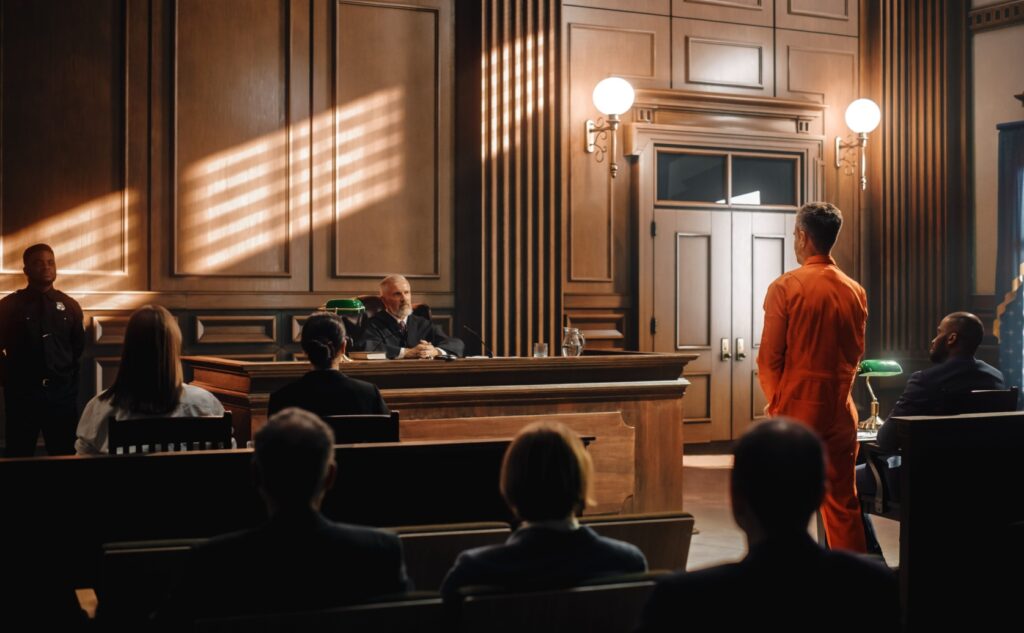
How to Know When You’re Up for Parole
Parole is the conditional release of a prisoner before the completion of their full sentence. It allows individuals to serve the remainder of their sentence under supervision in the community, provided they meet certain legal criteria. Otrebski Attorneys guide clients through every step to ensure that the parole process is fair and legally sound.
Who Qualifies for Parole?
Eligibility for parole depends on the type of sentence and the time already served. Otrebski Attorneys explain how sentences, behavior in prison, and rehabilitation efforts influence parole eligibility. Factors include:
- Nature of the offense
- Length of sentence served
- Conduct while incarcerated
- Participation in correctional programs
How Long Before You Can Apply for Parole?
Generally, parole eligibility occurs after serving a specific portion of a sentence. For example:
- Life sentences: Eligible after 25 years, unless otherwise recommended
- Fixed-term sentences: Usually after one-third of the sentence is served
Otrebski Attorneys provide precise calculations based on individual case details and guide clients on the right timing to apply.
What is the Parole Application Process?
The parole process involves multiple steps, including:
- Submission of a formal parole application
- Evaluation of the prisoner’s conduct and rehabilitation efforts
- Review by the parole board
- Possible interview or hearing
Otrebski Attorneys assist clients with documentation, representation, and preparation to improve the likelihood of a successful application.
How Can Otrebski Attorneys Help with Parole?
Otrebski Attorneys specialize in criminal law and prisoner rights. Their services include:
- Legal advice on parole eligibility
- Assistance with applications and appeals
- Representation during parole hearings
- Guidance on compliance with conditions of release
FAQs
How often can a prisoner apply for parole?
A prisoner can generally reapply if a previous parole application is denied, following the legal waiting period. Otrebski Attorneys clarify these timelines for each case.
Can parole be revoked?
Yes. Parole can be revoked if conditions are breached. Otrebski Attorneys help prevent violations by advising on compliance with all legal and administrative requirements.
Does good behavior guarantee parole?
Good behavior improves chances but does not guarantee parole. Legal expertise from Otrebski Attorneys ensures all factors are properly presented to the parole board.
What happens if parole is denied?
If parole is denied, prisoners may appeal the decision. Otrebski Attorneys provide representation and guidance for appeals to improve the outcome.
Take Action Today
If you or a loved one are approaching parole eligibility, it is crucial to seek professional legal guidance. Otrebski Attorneys ensure that every application is thoroughly prepared, increasing the chance of success. Contact Otrebski Attorneys today to schedule a consultation and safeguard your rights.