
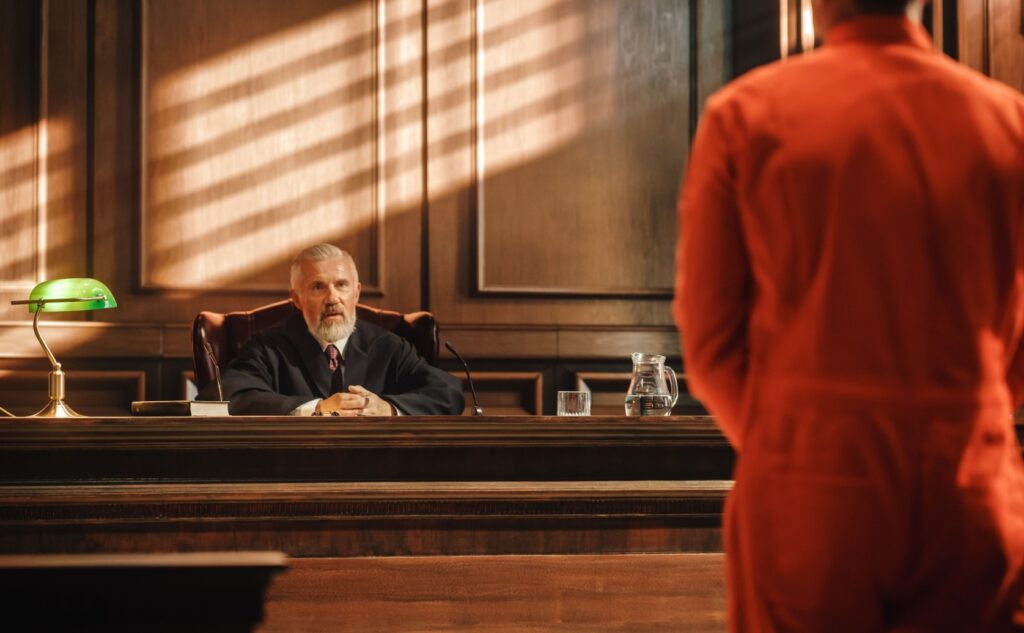
Examples of Parole Decisions in South Africa
Parole is a conditional release of a prisoner before completing their full sentence. It allows the individual to reintegrate into society under strict rules and supervision. The purpose of parole is to balance public safety with rehabilitation.
How Parole Decisions Are Made
The decision to grant parole involves careful assessment by correctional authorities. Factors include the nature of the crime, behavior in prison, risk of re-offending, and completion of rehabilitation programs. Legal guidance from experienced attorneys, like Otrebski Attorneys, can help ensure a fair and timely parole process.
Types of Parole
Ordinary Parole
Ordinary parole is granted to offenders who have served a portion of their sentence and meet behavioral and rehabilitation requirements. It is usually granted after one-third of the sentence is served.
Correctional Supervision
Correctional supervision allows offenders to serve the remainder of their sentence outside prison under strict supervision. Conditions may include community service, regular check-ins with a parole officer, and adherence to specific rules.
Medical Parole
Medical parole is provided for prisoners who are seriously ill or incapacitated. This type of parole focuses on humane treatment and allows terminally ill or severely disabled prisoners to receive care outside prison while still under supervision.
Remission Parole
Remission parole occurs when an offender earns reductions in their sentence for good behavior or participation in rehabilitation programs. This type of parole encourages rehabilitation while maintaining accountability.
How Parole Works
Parole is not automatic. Offenders must apply and meet specific criteria. Once granted, they are monitored closely. Any breach of conditions, such as failing to report or committing a new crime, can result in parole being revoked and a return to prison.
Frequently Asked Questions About Parole
What is the main purpose of parole?
Parole aims to reintegrate prisoners into society while ensuring public safety and supporting rehabilitation.
How long must a prisoner serve before applying for ordinary parole?
Typically, prisoners are eligible after serving one-third of their sentence, depending on behavior and rehabilitation progress.
Can parole be revoked?
Yes. Parole can be revoked if conditions are breached, including committing new offenses or failing to report to authorities.
Who can help with parole applications?
Experienced attorneys, like Otrebski Attorneys, guide prisoners through the application process and ensure legal rights are protected.
Is medical parole available to all prisoners?
No. It is reserved for prisoners who are seriously ill or incapacitated, with decisions based on medical assessments.
Take Action: Protect Your Parole Rights
Securing parole can be complex. Professional legal support ensures your application is handled properly and your rights are fully protected. Contact Otrebski Attorneys today for expert assistance with parole and correctional supervision matters.