
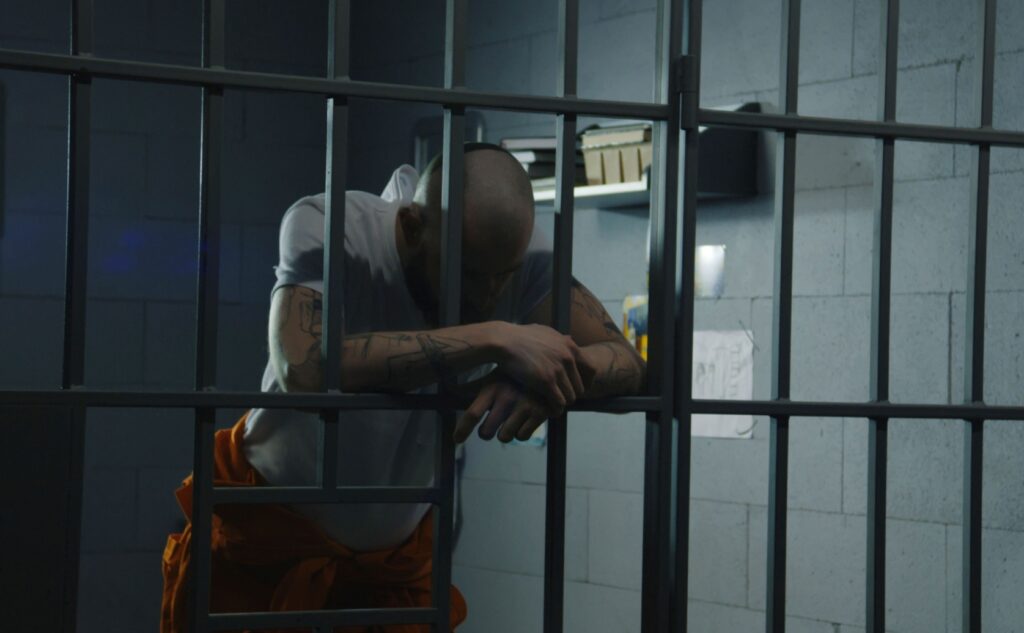
Most Common Parole Violations Explained
Parole is a critical part of the South African correctional system, designed to reintegrate offenders into society while maintaining public safety. When an inmate is granted parole, they are released from prison under specific conditions and supervision. Adhering to these conditions is essential; failure to do so constitutes a parole violation. Understanding the most common violations can help individuals and families navigate the parole system effectively.
What Is Parole?
Parole allows offenders to serve part of their sentence outside prison under supervision. It aims to:
- Encourage rehabilitation
- Reduce prison overcrowding
- Support reintegration into the community
Parole comes with strict conditions that must be followed to avoid re-incarceration.
How Is Parole Monitored?
The Department of Correctional Services monitors parolees through:
- Regular reporting to parole officers
- Electronic tracking (where applicable)
- Community supervision programs
Failure to comply with these monitoring requirements is a common cause of violations.
Common Types of Parole Violations
The most frequent parole violations in South Africa include:
- Failure to report: Not meeting with a parole officer as required.
- Substance abuse: Using drugs or alcohol while on parole.
- Criminal activity: Committing new offenses during the parole period.
- Absconding: Leaving the designated area without permission.
Among these, failure to report to a parole officer is the most common violation. This simple oversight can have serious consequences, including the revocation of parole and return to prison.
Consequences of Parole Violations
Violating parole conditions can lead to:
- Re-imprisonment for the remainder of the sentence
- Additional penalties or fines
- Extended parole conditions upon release
Legal representation is essential if a parole violation occurs to ensure fair treatment and to explore potential defenses.
How Otrebski Attorneys Can Help
Otrebski Attorneys specializes in assisting individuals facing parole violations. Their legal services include:
- Advising clients on parole conditions
- Representing clients during parole hearings
- Assisting with appeals against parole revocation
With experienced attorneys, clients receive the guidance needed to navigate the parole system effectively and protect their rights.
FAQs About Parole Violations in South Africa
What happens if I miss a meeting with my parole officer?
Missing a meeting is considered a violation and may result in a parole hearing or re-incarceration.
Can a parole violation be reversed?
Yes, with proper legal representation, some violations can be contested or mitigated depending on circumstances.
Is committing a new crime while on parole a serious offense?
Absolutely. Committing a new offense often results in immediate revocation of parole and additional criminal charges.
How can I prevent a parole violation?
Stay in regular contact with your parole officer, follow all conditions strictly, and seek legal advice if uncertain about any requirements.
Who can help me if my parole is revoked?
Otrebski Attorneys provides legal support and representation for parole revocation cases to ensure your rights are protected.
Protect Your Rights With Otrebski Attorneys
Parole violations can have serious consequences, but you don’t have to face them alone. Otrebski Attorneys offers expert legal guidance to protect your rights and navigate South Africa’s parole system confidently. Contact Otrebski Attorneys today to ensure your legal matters are handled with professionalism and care.