
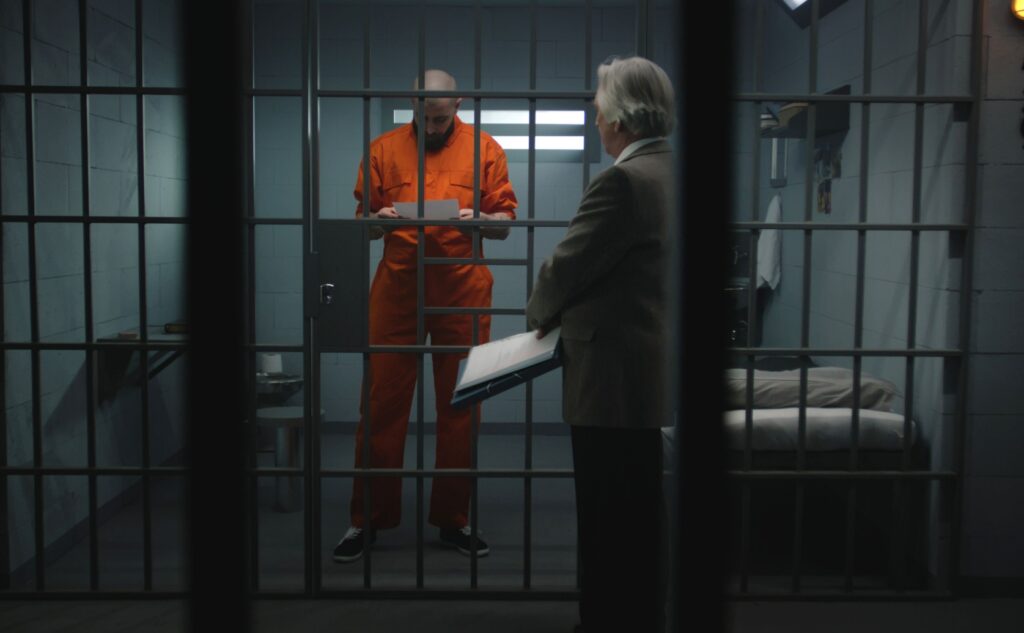
The Meaning of Parole in Jail and How It Works
Parole is the conditional release of a prisoner before the completion of their full sentence. It allows the individual to reintegrate into society under supervision while serving the remainder of their sentence outside of the correctional facility. Parole is not a right but a privilege granted based on specific criteria and behaviour during incarceration.
How Does Parole Work?
Prisoners who demonstrate good behaviour, engage in rehabilitation programs, and show potential for reintegration may be considered for parole. A parole board or similar authority evaluates these factors to determine eligibility. Conditions of parole typically include regular reporting to a parole officer, maintaining employment, avoiding criminal activity, and attending rehabilitation programs if required.
Legal Basis for Parole in South Africa
In South Africa, parole is governed by the Correctional Services Act, which sets out the procedures, eligibility, and supervision conditions. The legislation ensures that parole serves both the rehabilitation of the offender and the protection of society.
Benefits of Parole
- Reintegration into society: Parole helps prisoners transition gradually back into their communities.
- Reduced prison overcrowding: Conditional release helps manage the population in correctional facilities.
- Encouragement of good behaviour: Prisoners are motivated to participate in rehabilitation programs and maintain discipline.
Risks and Responsibilities
While parole offers opportunities, it also carries responsibilities. Violation of parole conditions can result in the offender being returned to prison to serve the remainder of their sentence. Hence, compliance and supervision are critical components.
Frequently Asked Questions
What is the difference between parole and probation?
Parole occurs after a person has served part of their sentence in prison, whereas probation is a sentence served under supervision without incarceration.
Who decides if a prisoner gets parole?
A parole board or the Department of Correctional Services evaluates eligibility based on behaviour, rehabilitation progress, and risk assessment.
Can parole be revoked?
Yes. If the parolee violates any conditions, such as committing a crime or failing to report to a parole officer, parole can be revoked, and the individual returned to prison.
How long does parole last?
Parole lasts until the end of the original sentence, but the duration may vary depending on the terms set by the parole board.
Can anyone apply for parole?
Not all prisoners are eligible. Factors like the nature of the crime, sentence length, and behaviour while incarcerated influence eligibility.
Take the Next Step with Otrebski Attorneys
Understanding parole and navigating its legal requirements can be complex. Otrebski Attorneys provide expert guidance to ensure that prisoners and their families fully understand their rights and obligations under South African law.
Contact Otrebski Attorneys today for professional advice on parole and prisoner rights.