
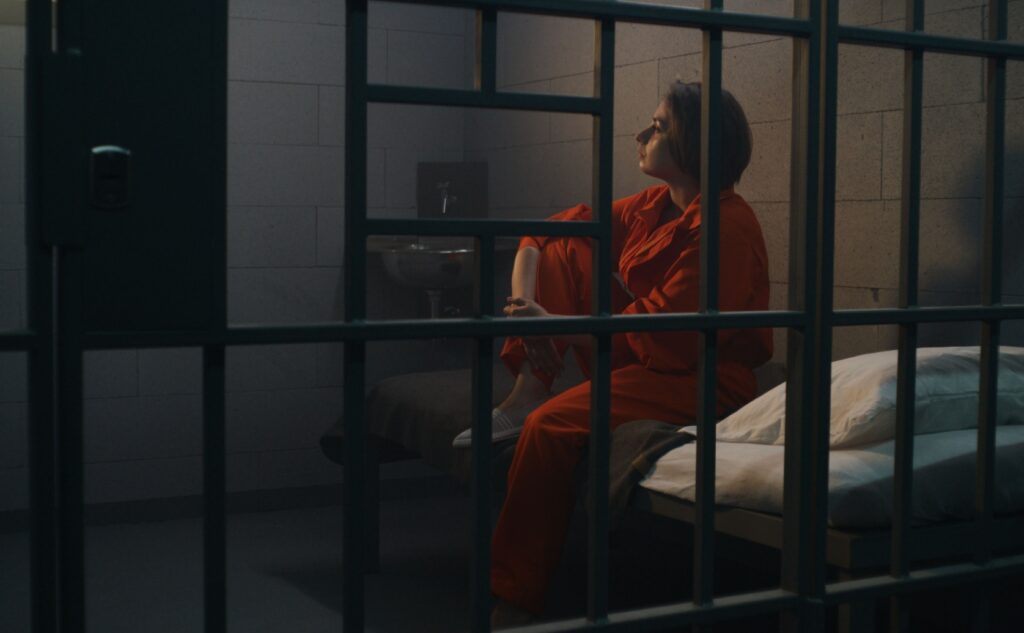
The Fundamental Rights and Treatment Principles for Prison Inmates
South Africa’s Constitution protects the dignity, equality, and human rights of every person — including those who are incarcerated. Imprisonment removes freedom of movement, not fundamental human rights.
Section 35 of the Constitution guarantees detained and sentenced persons the right to humane treatment and conditions consistent with human dignity. This includes access to healthcare, adequate accommodation, nutrition, reading material, and legal representation.
Otrebski Attorneys assists inmates and their families in enforcing these rights when correctional facilities fail to meet constitutional standards.
Human Dignity and Respect
Every Prisoner Must Be Treated With Dignity
Correctional authorities must treat prisoners with respect at all times. Abuse, torture, degrading treatment, or humiliation is strictly prohibited under South African law and international human rights standards.
Prisoners cannot be subjected to:
- Physical or psychological abuse
- Excessive force
- Cruel punishment
- Discrimination
Where violations occur, legal action may be taken to hold authorities accountable. Otrebski Attorneys represents clients in claims relating to unlawful treatment and constitutional breaches.
Safe and Healthy Living Conditions
Adequate Accommodation, Food, and Healthcare
Correctional centres must provide:
- Clean living spaces
- Sufficient bedding and sanitation
- Nutritious meals
- Access to medical care
- Mental health support
Failure to provide proper healthcare or safe living conditions may amount to a constitutional violation. Legal intervention can compel authorities to correct unsafe or neglectful conditions.
Access to Legal Representation and Justice
The Right to Legal Counsel and Court Access
Prisoners retain the right to:
- Consult privately with a lawyer
- Challenge unlawful detention
- Apply for bail or parole
- Appeal convictions or sentences
- File complaints against mistreatment
Legal access cannot be denied or delayed. Otrebski Attorneys regularly assists prisoners with bail applications, sentence reviews, parole matters, and civil claims.
Rehabilitation and Reintegration
Education, Skills Training, and Personal Development
South African correctional law emphasises rehabilitation rather than punishment alone. Prisoners should have opportunities to:
- Study
- Learn vocational skills
- Participate in rehabilitation programmes
- Prepare for reintegration into society
Education and training reduce repeat offending and improve future prospects. Denial of access to rehabilitation may be legally challenged.
Equality and Non-Discrimination
Equal Treatment for All Prisoners
No prisoner may be discriminated against based on:
- Race
- Gender
- Religion
- Disability
- Nationality
All inmates must receive equal protection and services. Any discriminatory treatment may justify legal proceedings.
Protection From Arbitrary Discipline
Fair Disciplinary Procedures
Disciplinary action must follow lawful procedures. Prisoners have the right to:
- Know the charges against them
- Present their case
- Receive a fair hearing
- Be free from excessive punishment
Unlawful solitary confinement or punishment without due process can be challenged through legal channels.
Legal Support for Prisoners and Families
How Otrebski Attorneys Protects Prisoners’ Rights
Otrebski Attorneys provides dedicated legal assistance in:
- Prisoners’ rights violations
- Bail and parole applications
- Sentence reductions
- Appeals and reviews
- Unlawful detention claims
- Civil claims for abuse or negligence
The firm works closely with families to ensure fair treatment and accountability within correctional facilities.
Frequently Asked Questions
What rights do prisoners have in South Africa?
Prisoners retain rights to dignity, healthcare, legal representation, safe living conditions, and protection from abuse or discrimination.
Can prisoners contact lawyers while incarcerated?
Yes. Prisoners have the right to confidential consultations with legal representatives at any time.
What happens if a prisoner is abused or neglected?
Legal action can be taken against correctional authorities. Otrebski Attorneys assists with claims and constitutional complaints.
Are prisoners entitled to medical treatment?
Yes. Correctional facilities must provide adequate medical and mental healthcare services.
Can a prisoner challenge unfair punishment inside prison?
Yes. Disciplinary actions must follow lawful procedures and may be legally reviewed if unfair or excessive.
How can families get legal help for an incarcerated loved one?
Families can contact Otrebski Attorneys directly for professional legal assistance and representation.
Speak to Otrebski Attorneys Today
If you or a loved one’s rights have been violated while in custody, immediate legal action can protect health, dignity, and freedom. Otrebski Attorneys provides experienced, compassionate representation focused on achieving real results. Contact the team today to secure trusted legal support.