
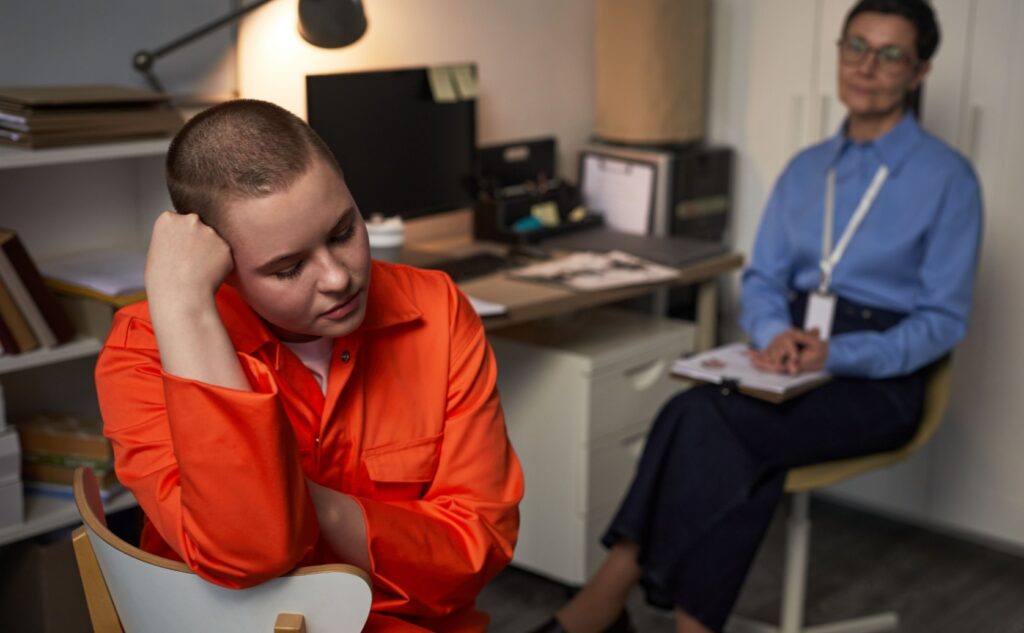
Understanding the Link Between Prison Treatment and Inmate Wellbeing
Humane prison treatment is not simply a moral obligation — it is a constitutional right in South Africa. The way inmates are treated directly affects their mental health, physical safety, rehabilitation, and their ability to successfully reintegrate into society after release.
Proper prison conditions reduce violence, improve discipline, and encourage personal growth. When correctional facilities prioritize dignity, healthcare, education, and rehabilitation, inmates are more likely to reform and less likely to reoffend.
Otrebski Attorneys advocates for the protection of inmates’ rights and ensures that lawful standards of care are upheld within correctional centres.
Legal Rights That Safeguard Prisoners’ Wellbeing
South African law provides clear protections for inmates under the Constitution and the Correctional Services Act.
Right to dignity and humane treatment
Every inmate must be treated with respect and free from degrading or cruel punishment.
Right to medical care
Prisoners are entitled to adequate healthcare, including mental health services, medication, and emergency treatment.
Right to safety and protection
Correctional authorities must protect inmates from violence, abuse, and neglect.
Right to rehabilitation
Access to education, skills training, counselling, and development programs supports successful reintegration.
When these rights are ignored, inmates may suffer long-term harm. Legal intervention becomes essential to restore fairness and accountability.
How Proper Treatment Improves Mental Health
Mental health challenges are common in correctional environments. Overcrowding, isolation, and abuse can worsen anxiety, depression, and trauma.
Supportive prison conditions make a measurable difference by:
Providing psychological counselling
Professional support reduces stress, aggression, and self-harm.
Encouraging structured daily routines
Work and educational programs create purpose and stability.
Allowing family contact
Visits and communication strengthen emotional resilience.
Reducing violence and intimidation
Safer environments improve overall wellbeing and cooperation.
Legal action through Otrebski Attorneys can help ensure inmates receive appropriate mental health support where it is denied.
The Role of Rehabilitation in Reducing Reoffending
Rehabilitation is one of the most powerful tools for improving inmate wellbeing. Education and skill-building create opportunities for lawful employment and self-sufficiency after release.
Educational programs
Literacy classes, matric completion, and tertiary studies build confidence and future prospects.
Vocational training
Skills such as carpentry, plumbing, or technical trades prepare inmates for employment.
Substance abuse treatment
Addressing addiction reduces repeat offenses.
Reintegration planning
Preparation for life outside prison promotes stability and independence.
Otrebski Attorneys assist families and inmates when access to these programs is unfairly restricted or denied.
When Prison Treatment Becomes Unlawful
Mistreatment may include:
Overcrowding and unsanitary conditions
Denial of medical treatment
Physical or psychological abuse
Unlawful solitary confinement
Lack of access to rehabilitation programs
These violations can have serious legal consequences for correctional authorities. A lawyer can pursue remedies such as court orders, compensation claims, or urgent relief.
Otrebski Attorneys works to hold institutions accountable and protect the rights of vulnerable inmates.
How Otrebski Attorneys Supports Prisoners and Families
Legal representation ensures that inmate rights are respected and enforced. Otrebski Attorneys provides:
Legal advice on prisoners’ rights
Court applications for urgent medical or safety concerns
Constitutional challenges
Claims for unlawful treatment or negligence
Advocacy for fair access to rehabilitation services
Their focused approach helps families navigate complex correctional laws while safeguarding inmate wellbeing.
Frequently Asked Questions
What rights do prisoners have in South Africa?
Prisoners retain constitutional rights to dignity, healthcare, safety, and rehabilitation while serving their sentence.
Can inmates demand medical treatment?
Yes. Correctional facilities must provide necessary medical care. Legal action can be taken if treatment is refused.
What happens if a prisoner is abused or mistreated?
Abuse can be challenged through legal proceedings, and compensation or court intervention may be sought.
Are prisoners entitled to education programs?
Yes. Rehabilitation and education form part of lawful correctional services and should be accessible where available.
How can families help protect an inmate’s rights?
Families can contact Otrebski Attorneys to seek legal guidance and initiate action if rights are being violated.
Take Action to Protect Inmate Rights Today
If you or a loved one is facing unsafe or unlawful prison conditions, timely legal support can make a critical difference. Otrebski Attorneys is committed to defending dignity, health, and fair treatment within correctional facilities. Contact their team to secure trusted legal assistance and ensure that every right is upheld.