
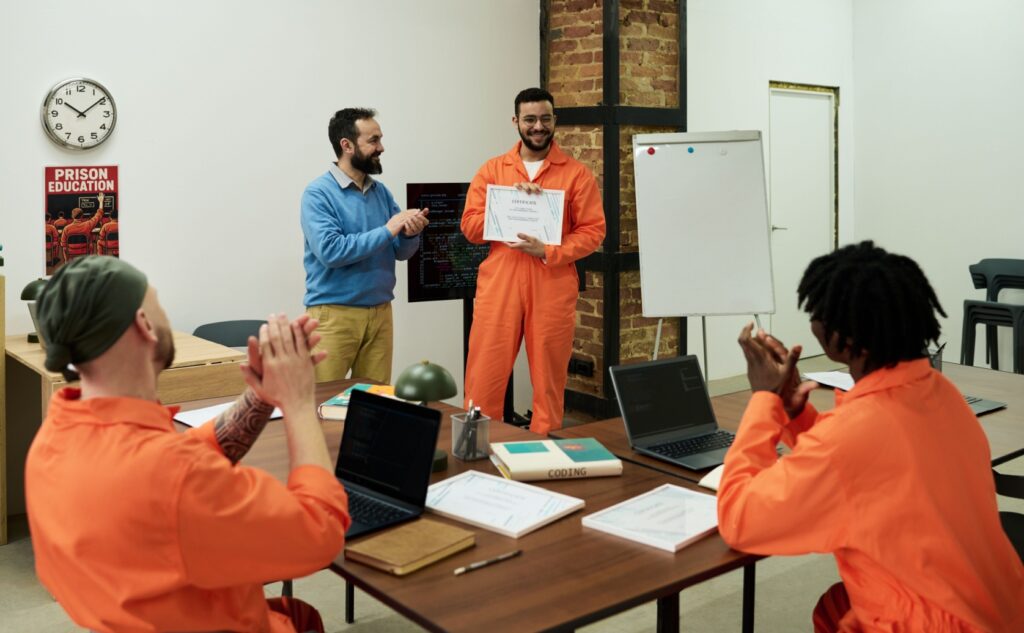
Education in Prison | Can Inmates Study While Behind Bars?
Prisoners in South Africa have the right to access education while serving their sentences. Education programs are designed to provide skills, improve literacy, and prepare inmates for reintegration into society. Otrebski Attorneys emphasizes that ensuring these rights are upheld is crucial for rehabilitation and personal development.
Types of Education Programs Available in Prisons
Prisons often offer various learning opportunities depending on the facility and available resources. These include:
Adult Basic Education and Training (ABET)
ABET programs help prisoners improve literacy and numeracy skills. This education lays the foundation for further studies and employment opportunities upon release.
Vocational and Skills Training
Vocational courses provide practical skills such as carpentry, plumbing, computer literacy, or tailoring. These programs equip inmates with job-ready abilities.
Secondary and Tertiary Education
Some prisons allow inmates to pursue high school equivalency or even tertiary education through partnerships with universities or online programs.
Life Skills and Personal Development Courses
Courses in areas like anger management, communication skills, or financial literacy help prisoners develop personally and socially.
Benefits of Prison Education
Education programs in correctional facilities offer multiple benefits:
- Reduces recidivism rates by providing employable skills.
- Enhances mental health and self-esteem.
- Promotes social reintegration and responsible citizenship.
- Provides legal knowledge to better understand one’s rights.
Challenges Faced by Prison Education Programs
Despite their importance, educational opportunities in prisons face challenges:
- Limited resources and overcrowded facilities.
- Inconsistent access to qualified instructors.
- Security restrictions that may hinder program availability.
How Otrebski Attorneys Supports Prisoners’ Right to Education
Otrebski Attorneys provides legal guidance to ensure prisoners can access educational programs and assert their rights under South African law. They assist in addressing violations, advocating for program availability, and protecting the dignity and development of incarcerated individuals.
Frequently Asked Questions
Can prisoners enroll in college courses while in jail?
Yes, some prisons offer partnerships with universities or distance learning programs to allow inmates to pursue higher education.
Are vocational courses mandatory for prisoners?
No, participation is voluntary, but completing vocational courses can improve employment prospects after release.
Do all prisons offer education programs?
Not all prisons have the same resources. Availability depends on the facility and funding.
How can legal help assist if a prison denies access to education?
Otrebski Attorneys can intervene by ensuring prisoners’ rights are respected, facilitating communication with prison authorities, and taking legal action if necessary.
Take Action: Protect Prisoners’ Educational Rights
Prisoners deserve the right to learn, grow, and prepare for life after incarceration. Otrebski Attorneys is committed to defending these rights and ensuring education programs are accessible to all inmates. If you or a loved one faces barriers to educational access in prison, reach out to Otrebski Attorneys today for expert legal support.