
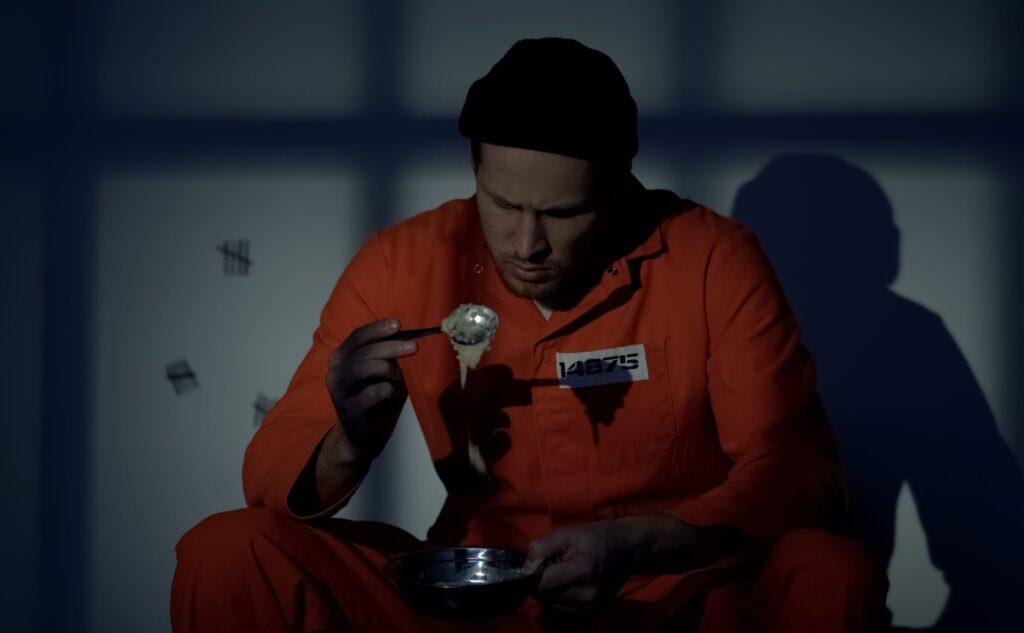
The Reality of Human Rights Violations in Prisons
Human rights violations in prisons occur when inmates are denied their basic rights, including access to food, medical care, safety, and legal representation. These violations undermine the principles of justice and dignity enshrined in South Africa’s Constitution.
Common Causes of Human Rights Violations
Overcrowding and Poor Infrastructure
Many prisons face overcrowding, which leads to insufficient sleeping space, lack of sanitation, and increased risk of disease. Poor infrastructure also contributes to unsafe living conditions.
Inadequate Access to Healthcare
Prisoners often suffer from limited or delayed medical attention. Chronic illnesses and mental health conditions frequently go untreated, exacerbating their suffering.
Abuse and Neglect by Staff
Instances of physical abuse, harassment, or neglect by prison staff are common contributors to human rights violations. Lack of proper oversight allows these abuses to persist.
Limited Legal Support
Many prisoners are not aware of their rights or cannot access legal representation, leaving them vulnerable to unfair treatment and extended detentions.
Legal Framework Protecting Prisoners
Constitution of South Africa
The South African Constitution guarantees the rights to dignity, equality, and freedom from cruel, inhuman, or degrading treatment, which extend to incarcerated individuals.
Correctional Services Act
This act regulates the treatment of inmates and sets standards for prison management, healthcare, and rehabilitation programs.
International Human Rights Treaties
South Africa is a signatory to international agreements like the United Nations Standard Minimum Rules for the Treatment of Prisoners (Nelson Mandela Rules), which guide prison operations globally.
Solutions to Prevent Human Rights Violations
Improving Prison Conditions
Investing in infrastructure, reducing overcrowding, and ensuring proper sanitation can significantly improve living conditions for inmates.
Access to Healthcare and Mental Health Services
Providing consistent medical care, mental health support, and rehabilitation programs helps protect prisoners’ rights and supports reintegration into society.
Staff Training and Accountability
Regular training on human rights standards and strict accountability mechanisms for staff misconduct are essential to prevent abuse.
Legal Awareness and Representation
Empowering prisoners with knowledge of their rights and access to legal aid ensures they can challenge unlawful treatment and protect their legal interests.
FAQs About Human Rights Violations in Prisons
What are the most common human rights violations in South African prisons?
Overcrowding, lack of healthcare, abuse by staff, and restricted access to legal representation are among the most common violations.
How do Otrebski Attorneys help prisoners facing rights violations?
Otrebski Attorneys provide legal representation, advise on human rights issues, and assist in filing complaints or litigation against unlawful prison practices.
Can prisoners report violations safely?
Yes, prisoners can report violations through proper legal channels and complaints procedures, often with the support of experienced attorneys like Otrebski Attorneys.
What legal remedies are available to prisoners?
Prisoners can pursue civil claims for damages, request intervention from oversight bodies, and challenge unlawful detention or mistreatment through the courts.
Protecting Prisoners’ Rights Is a Shared Responsibility
At Otrebski Attorneys, we are committed to defending the rights of prisoners and ensuring that every individual is treated with dignity and fairness. Protecting human rights in prisons requires vigilance, legal expertise, and advocacy. If you or someone you know is experiencing violations of their rights while incarcerated, Otrebski Attorneys can provide expert legal assistance.
Take Action Today
Safeguard Your Rights with Otrebski Attorneys
Do not let human rights violations go unchallenged. Contact Otrebski Attorneys today to ensure that justice is upheld and prisoners are treated fairly under the law.